


Published Date: 7 August 2025
When you first receive the keys to your subsidized home, the feeling is incredible. But chances are, one of the first things to catch your eye is the door. Subsidized home doors are often very basic, simple in design and built with budget materials.
Many homeowners see this as a drawback. But here's a different way to look at it: it's a blank canvas. Your door is a gateway, not just for coming and going, but for turning a modest house into a space that feels personal, safe, and stylish.
This complete guide covers everything about subsidized home doors: standard specs, common weaknesses to watch out for, and upgrade ideas ranging from quick low-cost fixes to full replacements.
What Are the Standard Specs for a Subsidized Home Door?
The Indonesian Ministry of Public Works and Housing (PUPR) sets minimum building standards for subsidized homes to keep quality consistent while keeping costs low. Here's what you'll typically find on the doors:
- Main Material: Front doors and bedroom doors are usually built with double teakwood board (also called layered plywood). A basic wooden frame (often made from local timber like Meranti or Borneo wood) is sandwiched between two thin sheets of plywood.
- Bathroom Door: Because bathrooms are high-moisture areas, bathroom doors are typically made from PVC (plastic), which resists water and mold better.
- Finish: Most doors come with only a base coat of paint, or no paint at all, giving them a plain, unfinished look.
- Handle and Lock: The hardware (handle and lock set) is a basic economy-grade product, functional, but minimal in both security and style.
The reason behind these material choices is straightforward: keeping production costs low so the home price stays within the FLPP (Home Financing Liquidity Facility) program's affordable range.
Pros and Cons You Need to Know
Before deciding whether to upgrade, it helps to understand what you're working with:
Advantages
-
- Very affordable: Low production cost keeps the overall home price down.
- Lightweight: Easy to install and won't stress the door frame.
- Easy to repair: Replacement materials for minor damage are widely available.
Disadvantages
-
- Low security: Plywood doors can be broken through easily. Standard locks offer minimal protection.
- Not weather-resistant: On exterior doors, constant exposure to sun and rain can cause the plywood layers to warp, swell, or rot over time.
- Poor soundproofing: Noise travels easily through thin plywood doors, both from outside and between rooms.
-
Plain appearance: The uniform, bare look offers very little character or curb appeal.
Time to Upgrade! From Simple Touches to Full Replacement
Given these drawbacks, upgrading your subsidized home door isn't just about looks, it's about safety and comfort too. Here are your options, organized by budget.
1. Budget Upgrades (Under ~$30 / Rp 500,000)
Even with a tight budget, you can make a big difference with a little creativity.
-
- Add Decorative Trim (Molding): Buy simple wood molding strips from a hardware store, cut them into rectangular frames, and glue them onto the door surface before painting. This simple trick gives the illusion of a much more expensive panel door.
- Tambahkan Lis Profil atau Molding: Beli lis profil kayu di toko material, potong sesuai selera (misalnya membentuk frame persegi panjang), lalu tempelkan pada permukaan pintu sebelum dicat. Trik sederhana ini akan memberikan ilusi pintu panel yang jauh lebih mahal.
- Upgrade the Handle and Lock Set: Invest in a sturdier, better-looking handle and lock combo. Look for stainless steel, matte black, or brushed gold finishes for a modern touch. This upgrade improves both looks and security significantly.
- Add Small Accessories: A unique house number plate, a classic-style door knocker, or a stylish door stopper can add personality without breaking the bank.
2. Full Door Replacement (Starting from ~$60 / Rp 1,000,000+)
If your existing door is damaged or you want maximum security and durability, a full replacement is the smartest move. Here are the best options:
-
- Solid Wood (e.g., Meranti or Camphor): The classic choice. Offers real strength, good sound dampening, and a warm, natural aesthetic. A solid wood door is a timeless upgrade.
- UPVC (Rigid Plastic) Door: A smart modern choice. Resistant to termites, weather, and rust and extremely easy to maintain. Available in wood-grain patterns if you want that natural look without the upkeep
- Steel Door: The top pick for security. Nearly impossible to kick in or break through. Newer models come in attractive designs that mimic the look of wood, often with double-lock systems built in.
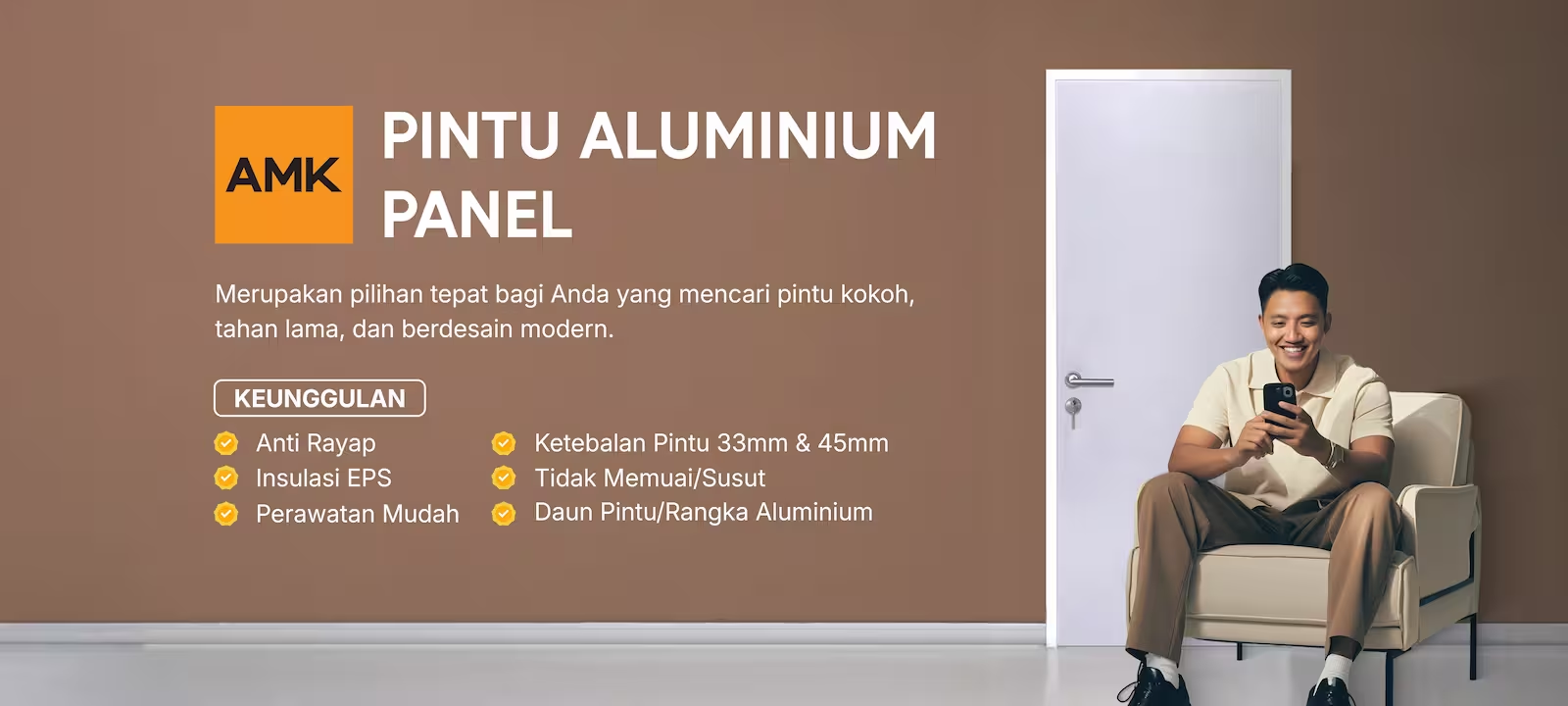
- Aluminum Door: Lightweight, rust-proof, and durable. Perfect for modern minimalist home designs. One downside: aluminum can dent if hit with significant force.
Small Investment, Big Impact
A subsidized home door may seem basic, but it holds a lot of potential. When you see it as a starting point rather than a limitation, you can turn this everyday feature into something you're genuinely proud of.
Whether you're giving it a fresh coat of paint and a new handle, or investing in a brand-new steel or UPVC door, every dollar you put into your door is a direct investment in your home's security, comfort, and curb appeal. So don't overlook your subsidized home door. Get creative, make it your own, and build the gateway to the home you've always dreamed of.



 Indonesian
  English